
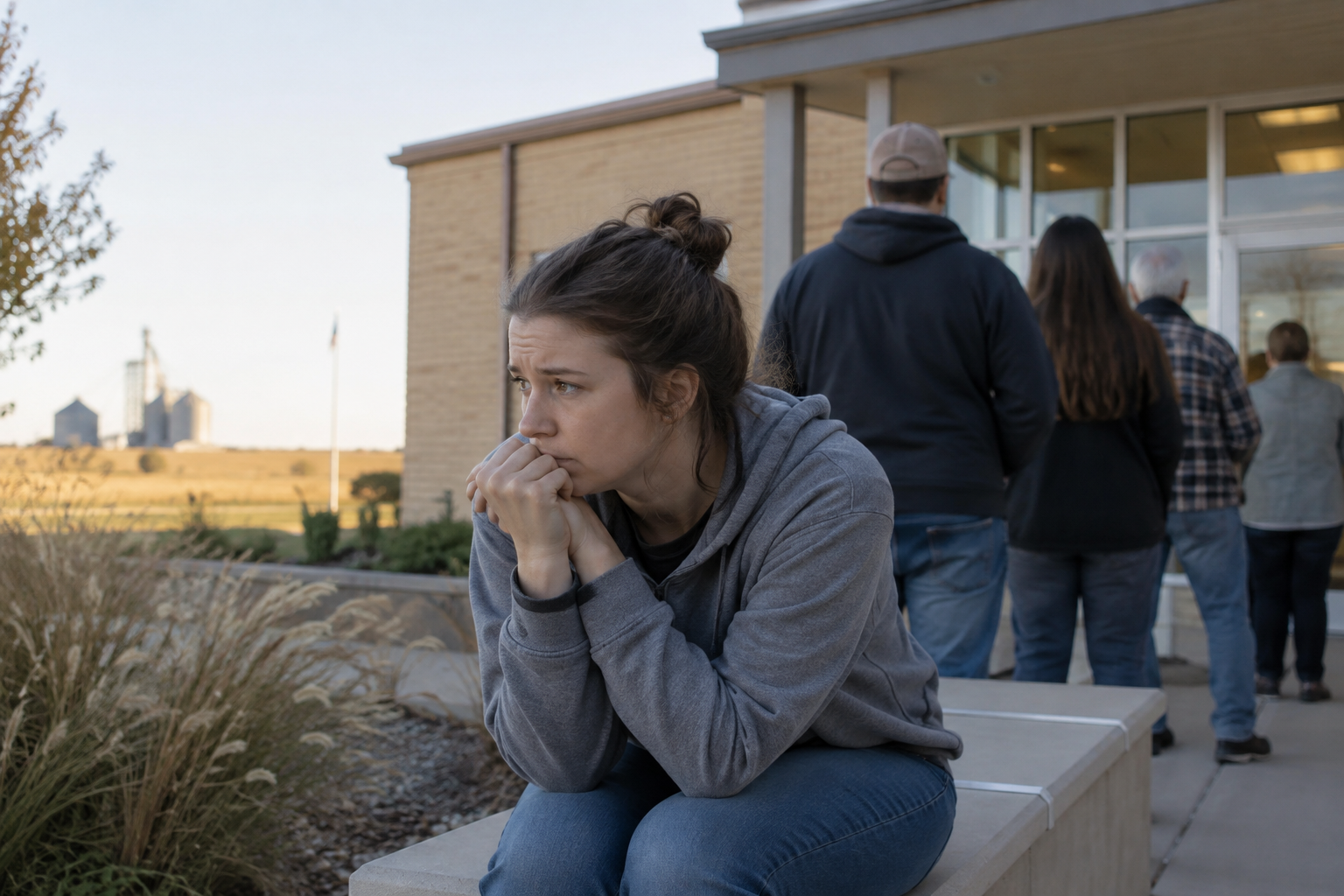
The Beacon reports rising uninsured demand is straining Kansas community mental health centers, with providers seeking more state support to avoid service cuts.
Rising demand for uninsured care
The Beacon reports that community mental health centers across Kansas are seeing a significant increase in patients without insurance. Under Kansas law, the centers must treat patients regardless of their ability to pay, according to The Beacon. The report says this requirement is placing growing pressure on the state’s behavioral health safety net.
The Beacon reports that specialized psychiatric care for uninsured patients can cost providers more than available state funding and Medicaid reimbursement covers. Providers told The Beacon that the increased demand is stretching center budgets and raising concerns about their financial stability.
Funding pressure and staffing concerns
According to The Beacon, Kansas currently sets aside around $6 million in its budget to help offset losses from treating uninsured patients. Providers told The Beacon that this funding is no longer enough to meet the growing need for care.
The Beacon reports that reimbursement rates have not kept pace with inflation or workforce costs. The report also says providers are experiencing difficulty recruiting and retaining psychiatric staff. Longer waits for appointments are among the effects linked in the report to the funding shortfall.
The Beacon describes the situation as a slow-moving crisis for centers that are being asked to provide more care while facing limited resources. Without additional state support, many centers warn they may need to reduce services or the quality of care, according to The Beacon.
Rural and longer-term concerns
The Beacon reports that financial pressure can be especially acute for rural community mental health centers because they have smaller patient bases over which to absorb losses. The report identifies the end of pandemic-era programs that expanded Medicaid eligibility, increased mental health needs after the pandemic, and stagnant reimbursement rates as contributors to the current strain.
According to The Beacon, lawmakers are being urged to increase funds set aside for uninsured care. Advocates cited by The Beacon describe Medicaid expansion as a potential long-term solution, while also calling for immediate direct state funding for community mental health centers in the absence of agreement on expansion.
The Beacon reports that when uninsured Kansans cannot obtain community-based care, they may instead end up in emergency rooms or jails. The report says those settings can ultimately cost the state more than outpatient psychiatric services.
What this means for Kansas patients
The Beacon’s report indicates that insurance status and local service capacity may affect how quickly Kansans can find community-based mental health care, particularly in rural areas. The directory lists 36 published clinics in Kansas and can help patients look for treatment options locally.
This is general information, not medical advice.
More Kansas reporting on access & coverage.
This report is educational and is not medical advice. Coverage, availability and eligibility can change; verify details with the named source or your care team.